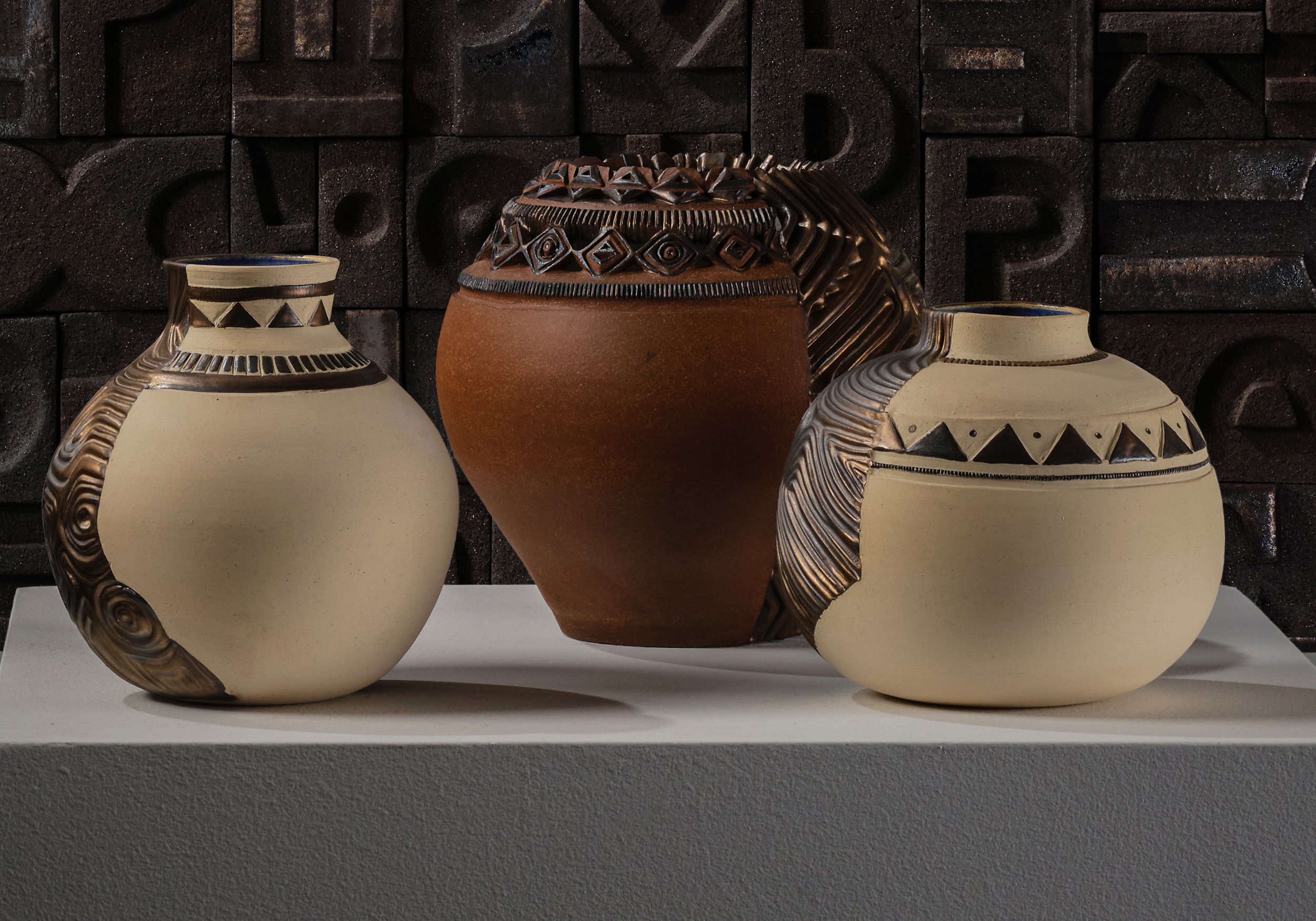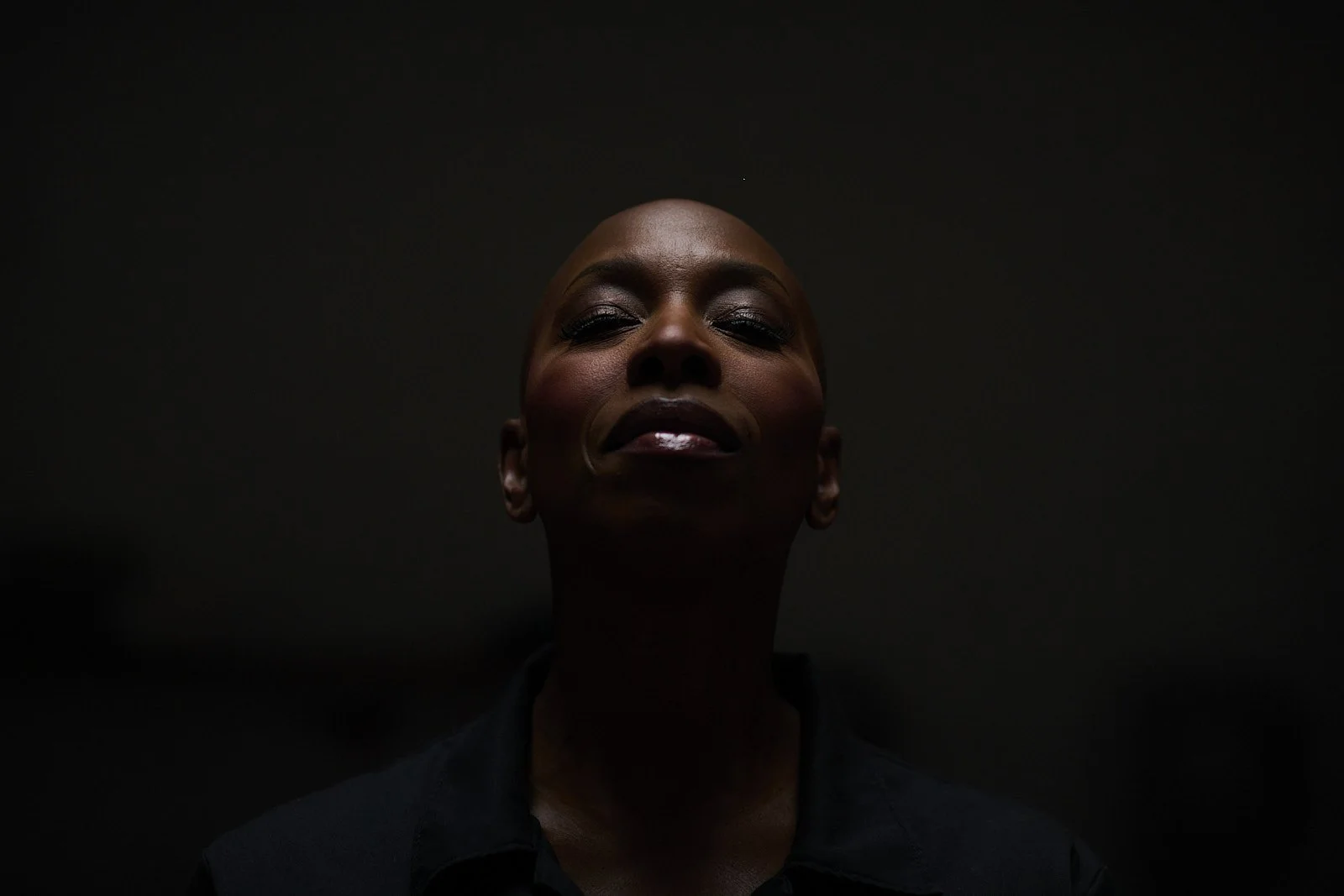

"I make work from my DNA — Fulani, Hausa, Tikar, and Bubi ancestry filtered through an African Caribbean lens. Every mark, every alphabet, every surface is an act of reclamation, an invitation to ask who we were before the world told us otherwise."
— MALENE DJENABA BARNETT
Malene Djenaba Barnett is an artist, surface designer, and community builder. She holds an MFA in Ceramics from the Tyler School of Art & Architecture at Temple University and a BFA in Textile Surface Design from the Fashion Institute of Technology.
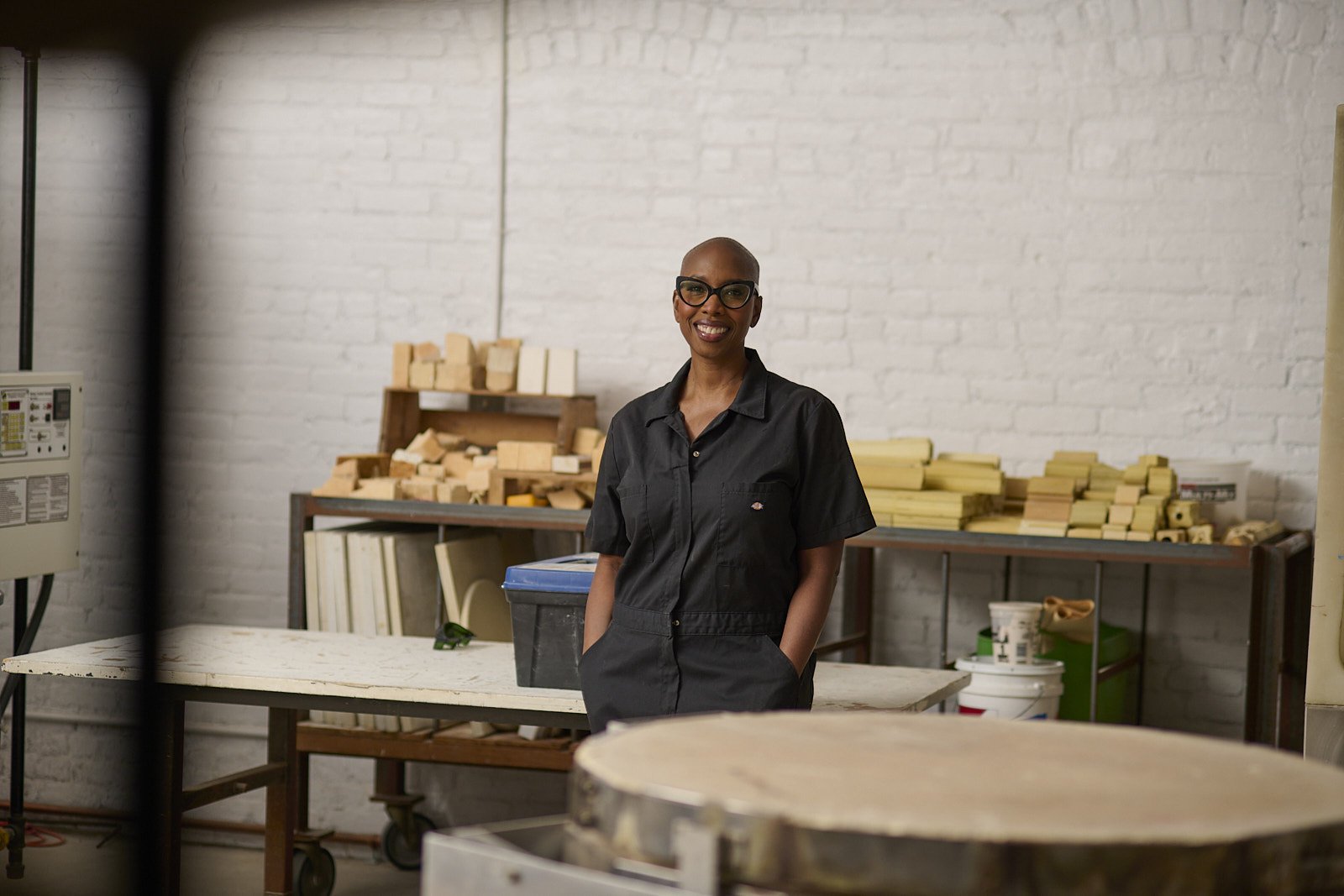
After a thirty-year career in design, she is well-established within the fine arts field. Informed by her frequent travel to Africa, Europe, Asia, and the Caribbean, she researched African Jamaican ceramic traditions, supported by her Fulbright. She also founded a collective of independent Black makers called Black Artists + Designers Guild, and wrote her debut anthology called Crafted Kinship: Inside the Creative Practice of Contemporary Black Caribbean Makers. The book covered 60-plus Caribbean artists and was published by Hachette in 2024. In her work, Malene explores both her Caribbean heritage and surface pattern design found in African and diasporic architecture, textiles and objects.
Other ways Malene has participated in important dialogue on craft, decorative art, and design in the Caribbean diaspora include exhibiting at the Kingston Biennial in Jamaica and the Smithsonian Triennial in 2024. Her work has been in several gallery and museum shows across the country at the Museum of the African Diaspora (San Francisco), African American Museum of Dallas, Mindy Solomon Gallery (Miami), Sugar Hill Museum (New York), and Temple Contemporary (Philadelphia). In addition to her exhibitions, she has been featured in The New York Times, The Cut, and Galerie Magazine, along with over a hundred design magazines. Barnett has participated in residencies at Houston Center for Contemporary Craft, Women’s Workshop, Anderson Ranch, Watershed, Greenwich House Pottery, Judson Studios, Haystack, and Hambidge Center.
Barnett’s artwork resides in institutional collections like the Los Angeles County Museum of Art and the National African American Museum of History and Culture, and private collections across the world. She is also working on a public art commission set to open in 2027 at the Windsor Chavis Nocho Community Complex, sponsored by the City of Greensboro in North Carolina.
Barnett is based in Brooklyn and select works are available at Wexler Gallery.

ARTIST STATEMENT
Through an internal process of reclamation, I situate myself within a precolonial West African framework, acknowledging my role as a community artisan. I invite others to join me on this journey of self-determination by asking: What if the Trans-Atlantic Slave Trade had never happened? This inquiry calibrates my practice to explore home in literal and metaphoric ways within myself and diasporic craft traditions.
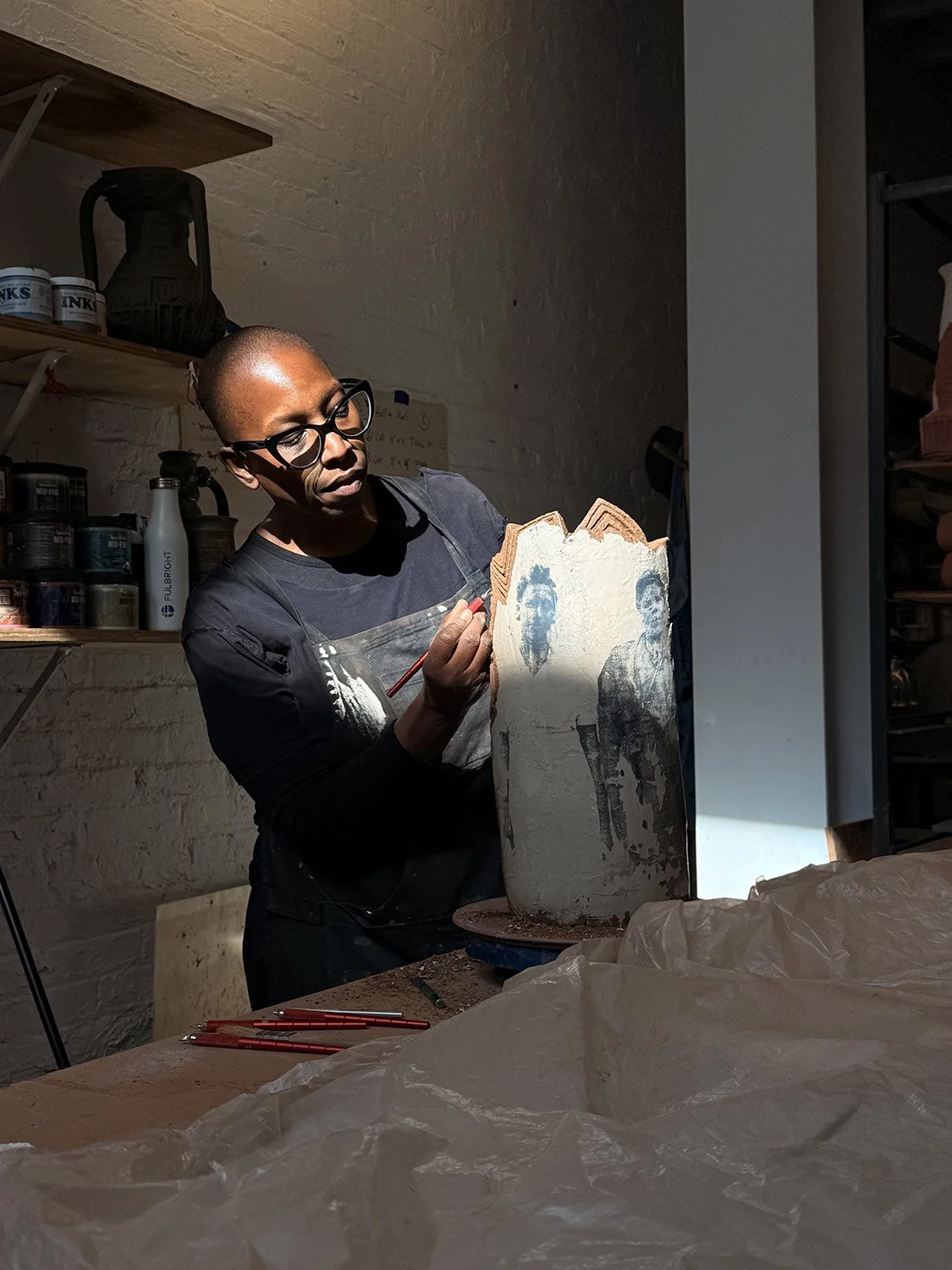
I blur the designations of fine art, craft, and design in my research-based, multidisciplinary art and surface design practice. Turning inward to embrace my true calling has resurfaced many cultural constellations. I especially return to Hausa architecture, Yuli painters, Congolese Kuba cloth, Nigerian terracotta, and Jamaican Yabba pots in my ceramics, textiles, paper, and moving image-based work.
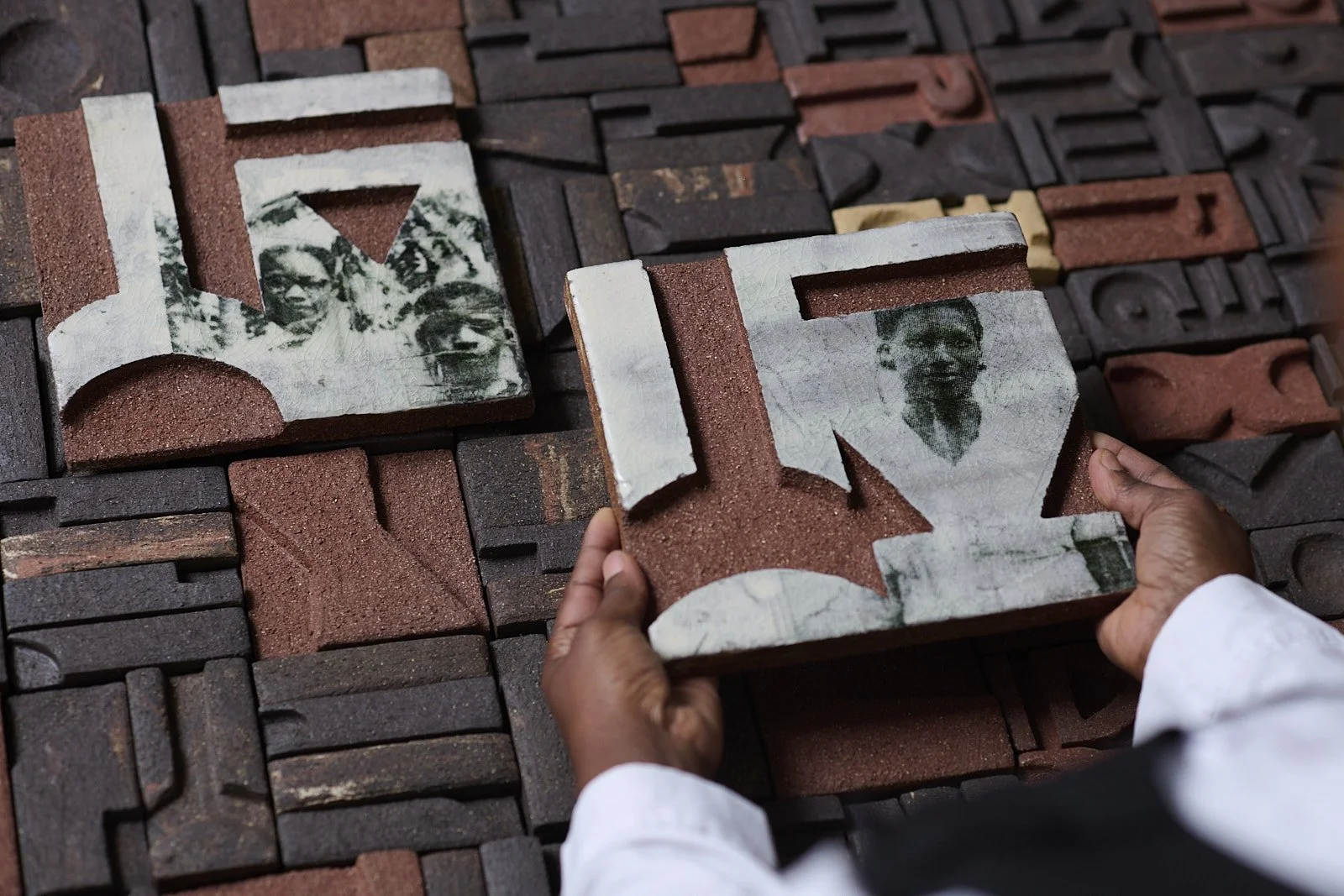
My research emerges from my extensive travels throughout the Caribbean, the US, Africa, Asia, and Europe. I combine African visual languages with contemporary diasporic aesthetics to reconnect with my Jamaican and Vincentian heritage. A strong current in my practice is exploring Fula and adinkra scripts, which I learn through repetition and incorporate into my tile work. I see African writing systems as the foundation of pattern work. These works remain powerful, relevant, and transformative spaces for Black makers to reconnect with shared heritage.
To honor the community over the individual, my practice extends beyond the studio as a form of cultural stewardship, amplifying the voices of Black makers, fostering community, and contributing to a broader narrative that honors the depth, resilience, and ongoing evolution of the African diaspora.